Portable power stations provide flexible energy for daily work, emergencies, and outdoor use—but understanding how often to recharge them is critical for optimum performance and battery life. The answer varies depending on how you use the station, how much energy your devices demand, and how long you expect it to remain ready between usage. Overcharging or undercharging can degrade performance and harm battery health over time. To get the most out of your item, you must align your charging habits with power requirements and manufacturer specifications. This tutorial outlines what factors influence charging frequency and how to recharge efficiently for long-term dependability.
What Determines How Often You Need to Recharge a Power Station?
Daily Usage Patterns and Power Consumption Levels
How frequently you recharge your portable power station depends heavily on how much energy you use each day. Charging a smartphone or lighting a few LED lights uses little energy, allowing the battery to last many days before requiring recharging. However, if you use it to power a laptop, mini-fridge, or power tools on a regular basis, you may need to recharge it every night. Multiple devices connecting at the same time will use up more capacity. To better understand consumption rates, monitor wattage output and overall load on the built-in display. The more energy you draw, the more frequently you’ll need to charge the battery. Monitor your behaviors and modify recharge frequency depending on real-time consumption.
Battery Capacity, Discharge Depth, and Cycle Design
Larger-capacity portable power stations take longer to drain and may typically run more gadgets before requiring a recharge. However, how thoroughly you deplete the battery is also important. Most lithium-ion or LiFePO4 batteries work best when kept between 20% and 80% capacity, rather than continually draining or charging them. Deep discharges can degrade battery life, but shallow cycling increases long-term durability. Manufacturers construct batteries with a specific number of cycles—each full charge and discharge counts as one. Frequent full drains may deplete those cycles faster. To acquire longer playtime between charges and extend the unit’s usable life, recharge before it gets too low, and avoid leaving it at 0% or 100% for too long.
Standby Use vs Regular Active Use Scenarios
If you leave your power station mostly in standby mode—for backup power or emergencies—you will not need to recharge as frequently, but regular top-offs are still required. Even while not in use, most batteries gradually drain over time, particularly at hot or low temperatures. Manufacturers normally recommend recharging after one to three months of storage. Active daily users, on the other hand, may require more frequent recharges, depending on how much energy they consume. Set a reminder to check battery levels at least once a month. Maintain an emergency battery charge of 80-100% and recharge after each usage. Whether used on a daily or infrequent basis, consistency is key—check and top off prior to storage or anticipated outages.
How Can You Recharge Smartly to Support Battery Health?
Best Recharge Levels and Timing Practices
Avoid completely emptying or continuously topping off your portable power station to preserve battery health. Unless you’re getting ready for an emergency, try to recharge when the battery falls to about 20–30% and unplug when it reaches 80–90%. Lithium-ion or LiFePO4 batteries are less stressed and have a longer lifespan thanks to their mid-range charge cycles. Don’t leave the device plugged in all day long. Charge it to around 60% and check it once a month if you intend to store it for some time. Performance might be deteriorated, and the cycle life decreased by overcharging or deep discharging. You may balance preparedness with long-term battery maintenance by adhering to regular recharge levels and scheduling.
Using Wall, Solar, and Car Charging Effectively
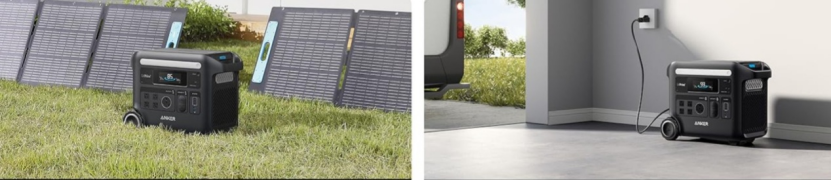
Each charging method—wall, solar, and car—has benefits based on your schedule and location. Wall outlets charge quickly and are ideal for daily usage at home. Solar charging is good for off-grid or environmentally friendly installations, but its effectiveness is limited by sunshine and panel efficiency. Car charging works while driving, but it is slower and should be used only when the car is operating to avoid exhausting the battery. Mix and match techniques as required, but utilize wall charging for constant refilling. Solar panels must be correctly positioned and kept clean to maximize input. Always utilize the appropriate input port and voltage recommendations. Using the proper strategy at the right time promotes consistent availability and battery health.
Building Simple Habits to Keep Power Ready
Keeping your power station ready entails forming a few simple behaviors. Check battery levels on a weekly basis, particularly before traveling or during storm season. Recharge immediately after each use, but do not keep it plugged in forever. Keep the device in a cool, dry area away from heat and cold conditions. Use the manufacturer’s charging wires and charge at the recommended intervals. Set up calendar reminders for monthly check-ins if the device is on standby. Label charging outlets and wires to make charging more efficient and orderly. These little procedures guarantee that your power station is never abruptly emptied when you need it, and that it performs optimally over time.
Conclusion
The frequency with which you use a portable power station, the depth to which it is depleted, and how you keep it between sessions all influence how well it can recharge. Daily users may need to recharge every night, but standby users should check and replenish every 1-3 months. Smart charging practices, such as avoiding deep discharges, utilizing the correct technique, and storing at the appropriate level, extend battery life and increase dependability. Whether you’re charging devices every day or planning for an emergency, regular maintenance keeps your station ready. Understand your consumption habits, adhere to manufacturer requirements, and recharge carefully to ensure the greatest long-term performance from your portable power station.
Visited 1 times, 1 visit(s) today