
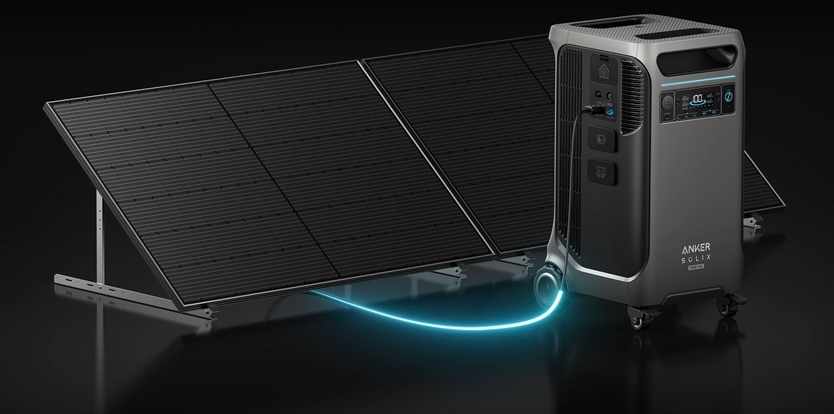
Solar-powered generators provide a sustainable way to keep essential devices running, but the charging speed can vary. The rate at which a solar generator charges largely depends on the efficiency of its components and environmental factors. Understanding these dynamics can help optimize charging performance, ensuring you have the power you need when you need it. By examining variables like solar panel efficiency, battery capacity, and weather conditions, this guide will equip you with practical insights and actionable tips. For instance, the Anker SOLIX F3800 Plus Solar Generator, paired with its 400W solar panel, claims a high conversion efficiency of up to 25%, fully charging in under two hours under optimal sunlight. Explore how these factors influence charging success.
Key Variables That Influence Charging Speed
Charging speed hinges on several important factors. Each element plays a pivotal role in determining how quickly a solar-powered generator reaches full capacity.
Solar Panel Efficiency and Output
Solar panel efficiency directly influences charging speed by determining the amount of sunlight converted into usable energy. Panels with higher conversion rates, such as Anker Solix panels, which offer between 23% and 25% efficiency, capture and convert more solar energy. This efficiency ensures faster charging times, crucial for maintaining a consistent power supply. Maximizing panel output involves ensuring they receive unobstructed sunlight and are positioned at an optimal angle, which can significantly affect performance. For instance, a setup claiming high output—like the dual 165V solar input on an Anker SOLIX, resulting in up to 3,200W—can charge a generator in under two hours under ideal sunlight conditions. Prioritizing quality panels guarantees faster energy capture, facilitating quick generator charging.
Battery Capacity and Power Requirements
The battery’s capacity plays a decisive role in charging times. Larger batteries take longer to charge but offer more stored power once fully charged. Understanding the power requirements of your devices can help you choose a generator that charges efficiently yet meets your energy needs. Balancing capacity with demand ensures you’re not overloading or underutilizing the battery. For instance, generators designed for high-volume energy output, like heavy-duty power tools or home systems, require batteries with substantial capacity. Conversely, smaller, personal devices may necessitate quicker, more frequent charges. Knowing your consumption helps in choosing a generator configuration that charges swiftly and maintains efficiency without compromising service quality.
Weather Conditions and Sunlight Availability
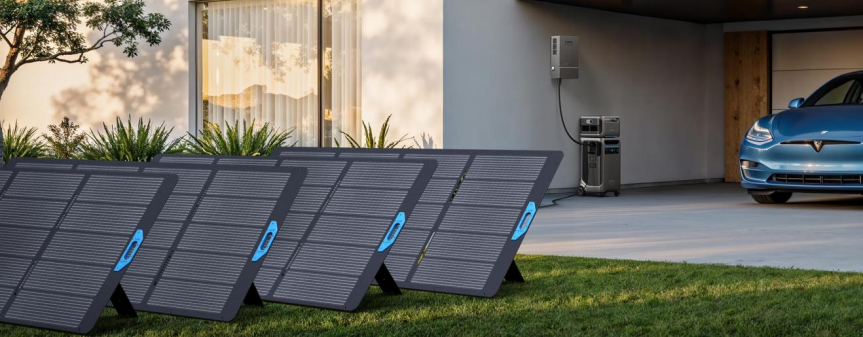
Weather and sunlight availability significantly affect charging efficiency. Optimal conditions consist of clear skies and bright, direct sunlight. However, variability in weather can reduce panel efficiency and extend charging times. Geographic location plays a role in dictating sunlight hours—areas with consistent sunlight enable quicker efficiency turnover. Conversely, cloudy or rainy conditions markedly decrease sunlight intensity, impacting solar panel output. Being aware of local weather patterns helps plan the best times for charging. For example, leveraging bright days for charging can alleviate deficits caused by overcast skies. Additionally, portable configurations, like those seen in Anker SOLIX setups, allow repositioning during poor weather. Understanding and adapting help maximize any given solar generation opportunity.
How to Maximize Charging Speed and Efficiency?
Maximizing charging speed requires strategic action. Aligning solar panels optimally ensures direct sunlight exposure, accelerating charging. Additionally, selecting panels suited to a generator’s capacity enhances performance. Incorporating Maximum Power Point Tracking (MPPT) technology further optimizes energy output.
Optimal Placement of Solar Panels
The placement of solar panels crucially affects charging capacity. Positioning panels correctly ensures maximum exposure to direct sunlight, driving efficiency. It is vital to align panels toward the sun’s path, adjusting periodically to match seasonal changes. Panels should also be free from obstructions like buildings or trees that cause shading. The strategic elevation and angle improve sunlight capture—an insight demonstrated by configurations such as the Anker SOLIX setup. Given these considerations, employing mobile setups during suboptimal conditions—adding flexibility to panel placement—can offset environmental setbacks. Adequate placement transforms available sunlight into maximized energy output. Properly positioning panels accelerates charging, ensuring your generator charges efficiently and consistently.
Choosing the Right Solar Panels for Your Generator
Your generator’s charging speed is also influenced by the choice of solar panels. Selecting panels with high efficiency, like the Anker Solix, provides value by maximizing energy conversion rates. It’s beneficial to align panel capabilities with generator requirements—consider dual capabilities like those seen in high-watt setups. Panel compatibility with the generator’s input range ensures synchronized performance, boosting speed. Incorporating panels with adjustable configurations—relocating as necessary—enhances sunlight availability. Matching output capacity to your consumption needs offers cost-effective, reliable energy solutions. Opting for technologies designed for optimal conversion addresses charging concerns—choosing wisely means prioritizing between speed, consistency, and reliability.
Using MPPT Technology to Speed Up Charging
Maximum Power Point Tracking (MPPT) technology represents a critical advancement in enhancing charging efficiency. MPPT operates by assessing the optimal power level the solar panel can achieve under current conditions. Once identified, the technology adjusts the energy flow, channeling power to maintain peak performance. This capability minimizes losses, especially during fluctuating weather conditions. The deployment of MPPT boosts a generator’s responsiveness to sunlight variations, ensuring persistent maximum energy output. Systems like the Anker SOLIX incorporate 99% MPPT efficiency, leveraging advanced regulation to speed charging under diverse patterns. MPPT technology ensures your solar generator reaches optimal charge quickly, promising consistent system reliability and elevating charging times.
Conclusion
The solar powered generators provide clean energy solutions, with the speed of charging largely dependent on the efficiency of components and environmental conditions. Understanding influences like panel efficiency, battery capacity, and weather helps optimize performance. Effective practices—including strategic panel placement, selecting the right panels for your setup, and using MPPT technology—contribute to swift charging. With appropriate choices and actions, generators like the Anker SOLIX attain impressive charging times under ideal conditions. Embracing these strategies fosters considerable enhancements, ensuring your generator remains a reliable energy source. As renewable energy proliferates, utilizing informed practices guarantees the benefits of sustained and efficient solar-powered generation.
Visited 1 times, 1 visit(s) today