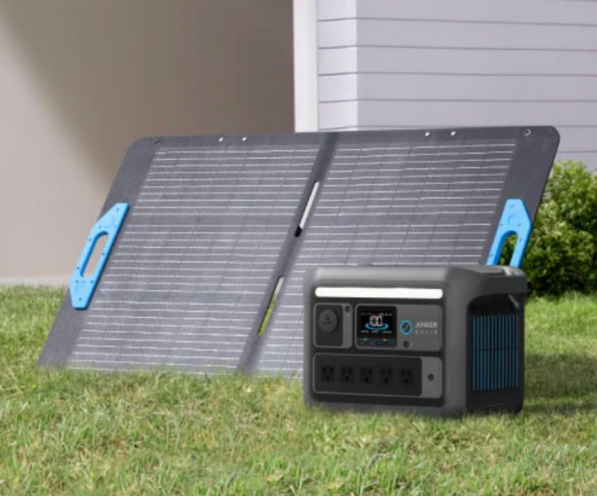
Portable solar panels have moved from niche gear to practical tools for everyday power needs. Improvements in efficiency, portability, and durability make them more usable for ordinary households, not just extreme adventurers. From weekend camping to backyard gatherings, small solar setups now support the devices people rely on daily. They also provide a reassuring backup during unexpected power interruptions. Understanding their realistic strengths and limits helps determine whether they are worth the investment. In this article, the practical value of portable solar panels will be explored through outdoor use, emergency readiness, daily convenience, and long-term savings.
1. For Outdoor Enthusiasts: Essential Freedom
Keep Phones, GPS, and Cameras Powered on Long Trips
Modern outdoor trips often rely on digital tools for navigation, safety, and capturing memories. Phones, GPS units, and cameras all require consistent charging, especially during multi-day adventures. Portable solar panels provide a steady daytime energy source that reduces the need to conserve battery at every moment. Instead of turning devices off to save power, travelers can recharge gradually whenever sunlight is available. This allows for more photos, safer route tracking, and reliable communication when signals are present. Over time, access to renewable charging becomes a practical extension of outdoor gear rather than a luxury.
Run Lights and Small Appliances at Remote Campsites
Campsites without electrical hookups can still support comfortable setups when solar power is available. LED lights, small fans, and compact cooking devices often run easily on stored solar energy. Even a modest system can keep evening lighting on for hours without draining critical device batteries. This added comfort makes longer stays more enjoyable and less dependent on single-use fuels. It also reduces the need to leave camp just to recharge essential electronics. Gradually, solar power helps turn remote campsites into functional living spaces.
2. For Emergency Preparedness: Reliable Backup
Maintain Communication During Power Outages
Unexpected outages can disrupt daily life and limit access to important information. Portable solar panels offer a way to keep phones and radios charged when grid power is unavailable. A few hours of daylight can provide enough energy for essential communication and updates. This helps households stay informed and connected during storms or other disruptions. Having a solar charging option reduces reliance on car batteries or fuel-powered alternatives. Over time, this capability becomes a key part of practical home preparedness.
Sustain Essential Medical Devices with Clean Power
Some medical devices and health-related tools require regular charging to function properly. Portable solar systems can help maintain power for low-wattage equipment when traditional electricity is interrupted. While not a replacement for large backup systems, they provide valuable supplemental energy. Even partial recharging can extend device operation until normal power returns. Clean, quiet solar charging also avoids fumes or noise that could add stress during emergencies. This makes portable panels a supportive addition to broader safety planning.
3. For Daily Convenience: Portable Power Anywhere
Charge Devices at Parks, Beaches, or Outdoor Events
Daily life increasingly happens outside the home, from picnics to sports events and community gatherings. Portable solar panels make it possible to recharge phones, speakers, and small electronics in these settings. A panel set up on a table or blanket can quietly collect energy throughout the day. This reduces the need to carry multiple pre-charged power banks. It also prevents the frustration of devices running out of power before the day ends. Gradually, solar charging becomes a convenient habit for outdoor leisure.
Reduce Dependency on Public Outlets and Power Banks
Public charging outlets are not always available, convenient, or safe to use. Portable solar provides a personal, controlled energy source that works wherever sunlight reaches. This reduces dependence on crowded charging stations in airports, parks, or shared spaces. Fewer power banks are needed because energy can be generated instead of only stored. Over time, this self-sufficiency simplifies how devices are managed during busy days. Small solar setups quietly support modern, mobile lifestyles.
4. For Long-Term Savings: Eco-Friendly Choice
Cut Costs on Disposable Batteries and Fuel
Many small devices rely on disposable batteries that must be replaced frequently. Solar charging encourages the use of rechargeable alternatives, reducing repeat purchases. Over the long term, this can lower household spending on batteries and small fuel canisters. Solar energy also replaces some of the grid electricity or generator fuel that would otherwise be used. While savings accumulate gradually, they become meaningful with regular use. At the same time, reducing waste adds environmental value beyond direct financial benefits.
Build a Scalable Solar System with a Power Station
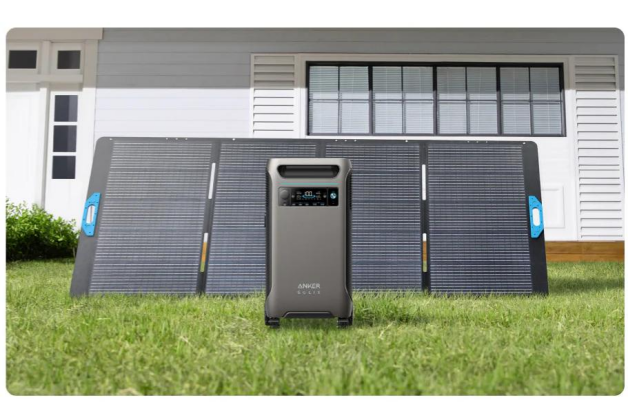
Portable solar panels can be part of a larger, flexible energy setup. When paired with a portable power station, excess daytime energy can be stored for later use. This stored energy supports evening lighting, device charging, and small appliances. As needs grow, additional panels or storage capacity can be added over time. This modular approach spreads out costs and adapts to changing lifestyles. Gradual expansion makes solar power more accessible and practical for everyday users.
5. How to Get Started Smartly
Choose the Right Panel for Your Primary Needs
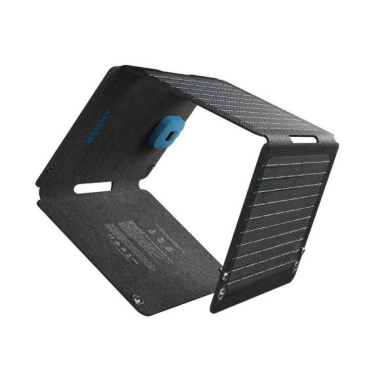
Choosing the right solar panel depends on how energy will be used during trips or daily activities. Lightweight, foldable panels suit people who move often, while sturdier models work better for longer stays where higher output matters. Durability is also important, since outdoor gear must handle dust, moisture, and frequent packing without performance dropping. Convenient features like multiple charging ports and simple setup can make everyday use much easier when powering phones, cameras, or small appliances. Some options, such as Anker SOLIX camping solar panels, balance portability with strong energy conversion and dependable outdoor construction. This combination helps ensure the panel matches both travel conditions and real charging needs without adding unnecessary bulk.
Pair with a Portable Power Station for Best Results
Solar panels generate energy only when sunlight is available, which makes storage important. A portable power station captures daytime energy for use at night or during cloudy weather. This pairing supports more devices and provides power on demand rather than only in direct sun. It also stabilizes charging for sensitive electronics. Together, panels and storage create a small, self-contained energy system. This setup transforms occasional solar charging into a dependable daily resource.
Conclusion
Portable solar panels offer practical value across travel, emergencies, and everyday life. They provide flexible energy where outlets are unavailable and reduce dependence on disposable power sources. While sunlight conditions and upfront costs must be considered, thoughtful use can offset these limitations. Pairing panels with energy storage increases reliability and expands what can be powered. Over time, portable solar becomes a useful household tool rather than specialty equipment. Evaluating personal routines and energy needs helps determine whether this clean, mobile power source is a worthwhile addition.
Visited 1 times, 1 visit(s) today